


 USD
USD EUR
EUR GBP
GBP CAD
CAD AUD
AUD HKD
HKD JPY
JPY KRW
KRW SGD
SGD NZD
NZD THB
THB TWD
TWD English
 繁體中文
繁體中文 日本語
日本語 한국어
한국어 ไทย
ไทย Bahasa Indonesia
 Français
 Español
 Deutsch
 Português
 Nederlands
 Tiếng Việt
By EVPADPro | 08 July 2026 | 0 Comments
Cable TV vs Streaming vs TV Box: Which Is the Best Choice in 2026?
The way we watch television has changed dramatically over the past decade. Traditional cable TV is no longer the only option. Today, millions of households are switching to streaming services or Android TV boxes for greater flexibility, lower costs, and more entertainment choices. But which option is right for you?
In this guide, we'll compare Cable TV vs Streaming vs TV Box in terms of price, content, convenience, and long-term value, helping you decide which entertainment solution best fits your needs.
✅ What Is Cable TV?
Cable TV is the traditional television service provided through coaxial or fiber cables. Customers usually pay a monthly subscription fee to access a package of channels.
• Pros
Stable and reliable signal
Excellent live local news and sports coverage
No internet required for basic viewing
Familiar user experience
• Cons
Expensive monthly bills
Limited channel packages
Long-term contracts are common
Few on-demand options
Equipment rental fees may apply
For many families, cable TV can easily cost $70–$150 per month, making it one of the most expensive home entertainment options.
✅ What Is Streaming?
Streaming services deliver movies, TV shows, and live content through the internet. Popular platforms include Netflix, Disney+, Hulu, Prime Video, Max, and many regional services.
• Pros
Huge on-demand libraries
Watch anytime on multiple devices
High-quality 4K and HDR content
No long-term contracts
Personalized recommendations
• Cons
Requires a stable internet connection
Subscription costs quickly add up
Content changes frequently due to licensing
Different shows are spread across multiple platforms
Many households now subscribe to three or more streaming services, which can easily exceed $50–100 per month.
✅ What Is an Android TV Box?
An Android TV Box is a compact media device that connects to your television via HDMI. It runs the Android operating system and allows users to install apps, stream content, browse the web, play media files, and enjoy a much smarter TV experience.
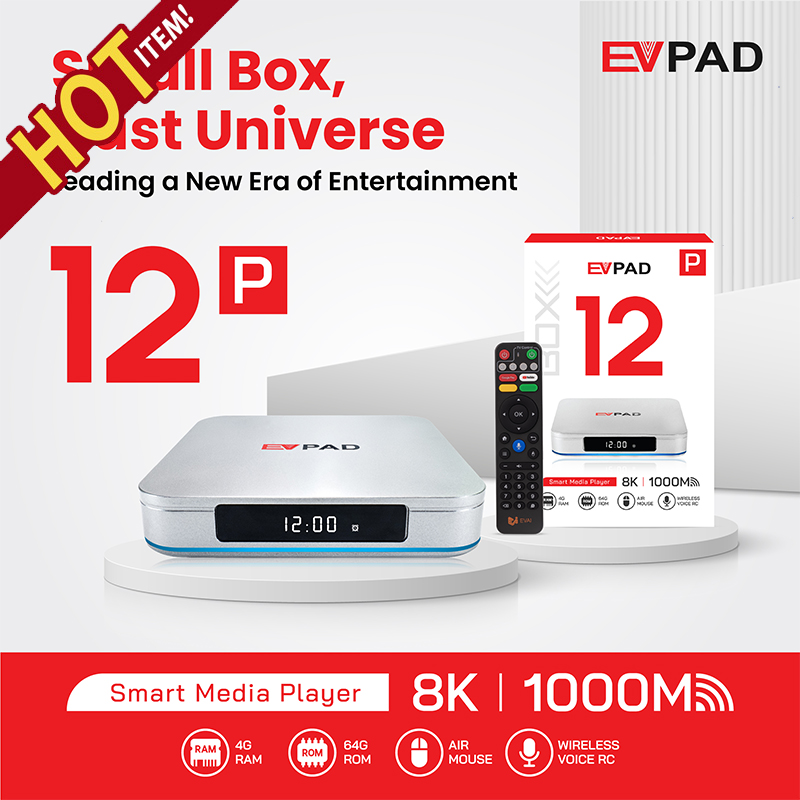
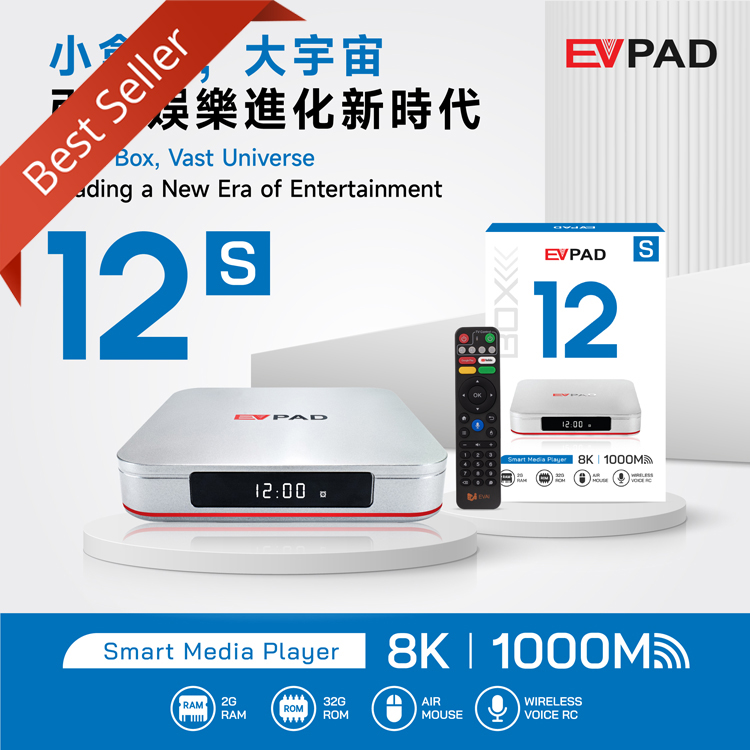
Popular models include: EVPAD, UnblockTech UBox, SviCloud, DIGIBOX, GetMax.
Unlike traditional cable boxes, Android TV boxes offer far greater flexibility while supporting thousands of entertainment applications.
✅ Cost Comparison
Let's compare the approximate cost over three years.
• Cable TV
Monthly bill: $100
Three-year cost: $3,600
• Streaming Services
Three subscriptions averaging $18 each
Monthly cost: approximately $54
Three-year cost: approximately $1,944
• Android TV Box
One-time device purchase
Minimal ongoing hardware costs
Three-year hardware investment remains significantly lower than maintaining multiple monthly TV subscriptions.
For users looking to reduce recurring entertainment expenses, an Android TV box can offer substantial long-term savings.
There is no single solution that fits everyone.
• Choose Cable TV if live local channels and traditional television remain your priority.
• Choose Streaming Services if you enjoy premium original content and don't mind multiple subscriptions.
• Choose an Android TV Box if you want greater flexibility, access to a broad range of compatible apps, and lower long-term hardware costs.
As home entertainment continues to evolve, more consumers are looking for solutions that combine convenience, performance, and value. Android TV boxes have become an increasingly popular choice because they bring together streaming capabilities, app support, and smart TV functionality in one compact device.
Whether you're upgrading your living room or looking for a more versatile entertainment setup, understanding the differences between cable TV, streaming services, and Android TV boxes will help you make a more informed decision.
In this guide, we'll compare Cable TV vs Streaming vs TV Box in terms of price, content, convenience, and long-term value, helping you decide which entertainment solution best fits your needs.
✅ What Is Cable TV?
Cable TV is the traditional television service provided through coaxial or fiber cables. Customers usually pay a monthly subscription fee to access a package of channels.
• Pros
Stable and reliable signal
Excellent live local news and sports coverage
No internet required for basic viewing
Familiar user experience
• Cons
Expensive monthly bills
Limited channel packages
Long-term contracts are common
Few on-demand options
Equipment rental fees may apply
For many families, cable TV can easily cost $70–$150 per month, making it one of the most expensive home entertainment options.
✅ What Is Streaming?
Streaming services deliver movies, TV shows, and live content through the internet. Popular platforms include Netflix, Disney+, Hulu, Prime Video, Max, and many regional services.
• Pros
Huge on-demand libraries
Watch anytime on multiple devices
High-quality 4K and HDR content
No long-term contracts
Personalized recommendations
• Cons
Requires a stable internet connection
Subscription costs quickly add up
Content changes frequently due to licensing
Different shows are spread across multiple platforms
Many households now subscribe to three or more streaming services, which can easily exceed $50–100 per month.
✅ What Is an Android TV Box?
An Android TV Box is a compact media device that connects to your television via HDMI. It runs the Android operating system and allows users to install apps, stream content, browse the web, play media files, and enjoy a much smarter TV experience.
Popular models include: EVPAD, UnblockTech UBox, SviCloud, DIGIBOX, GetMax.
Unlike traditional cable boxes, Android TV boxes offer far greater flexibility while supporting thousands of entertainment applications.
✅ Cost Comparison
Let's compare the approximate cost over three years.
• Cable TV
Monthly bill: $100
Three-year cost: $3,600
• Streaming Services
Three subscriptions averaging $18 each
Monthly cost: approximately $54
Three-year cost: approximately $1,944
• Android TV Box
One-time device purchase
Minimal ongoing hardware costs
Three-year hardware investment remains significantly lower than maintaining multiple monthly TV subscriptions.
For users looking to reduce recurring entertainment expenses, an Android TV box can offer substantial long-term savings.
There is no single solution that fits everyone.
• Choose Cable TV if live local channels and traditional television remain your priority.
• Choose Streaming Services if you enjoy premium original content and don't mind multiple subscriptions.
• Choose an Android TV Box if you want greater flexibility, access to a broad range of compatible apps, and lower long-term hardware costs.
As home entertainment continues to evolve, more consumers are looking for solutions that combine convenience, performance, and value. Android TV boxes have become an increasingly popular choice because they bring together streaming capabilities, app support, and smart TV functionality in one compact device.
Whether you're upgrading your living room or looking for a more versatile entertainment setup, understanding the differences between cable TV, streaming services, and Android TV boxes will help you make a more informed decision.
POPULAR BLOG
- UnblockTech UBox12 TV Box Official Warranty Upgraded to 18 Months!
- GetMax G12 Officially Launched - The High-End 8K Smart TV Box Built for Speed
- EVPAD 12S vs EVPAD 11S: What Improvements Have Been Made?
- EVPAD 12S Officially Launches Today: Smarter, Faster, and More Powerful Than Ever
- 【Latest 2025】Watch TV Channels and VOD from Around the World for Free! In-Depth Review of DIGIBox D6
ARCHIVES